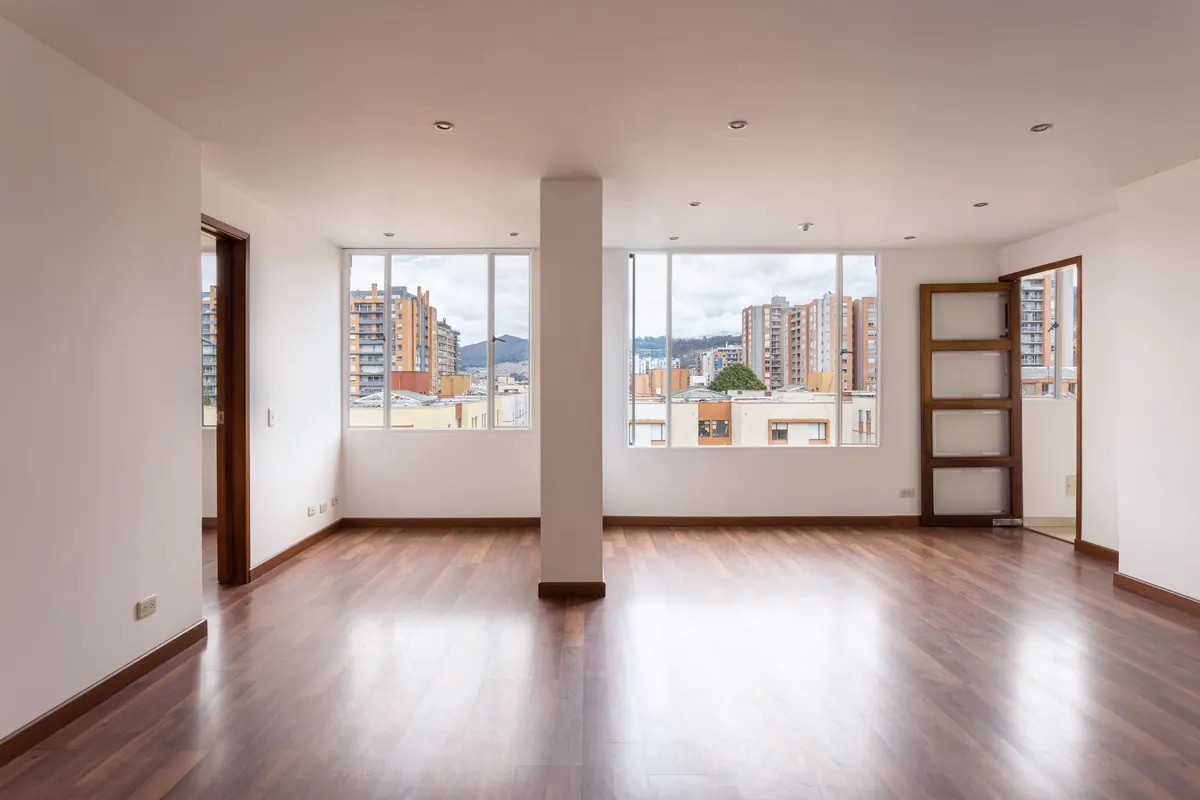
Renting rarely means getting the flat you would have chosen down to the last detail. You inherit someone else's paint colour, a pendant light that hangs too low over the table, and a carpet that has seen better decades. None of that has to stop the place feeling like yours. The trick is to style in layers that can be peeled, unplugged, unscrewed or carried out with you — and to know what your tenancy allows before you buy a single roll of anything.
Most agreements say something about decorating, but the wording varies wildly. Some landlords allow paint as long as you restore the original colour; others forbid anything fixed to a wall at all. Find the clause about alterations and read it twice.
Then do two things. Take dated photographs of every room on the day you move in, including scuffs, marks and chips, and check that the inventory matches what you can see. And ask about anything you are unsure of by email rather than in passing conversation, so you have a record. A landlord who receives a polite message saying "I'd like to hang a shelf in the bedroom — I'll fill the holes and touch up the paint when I leave" usually says yes.
If a clause is genuinely unclear and it matters to you, tenant advice services such as Citizens Advice can help you understand where you stand.
Removable wallpaper has come a long way from the flimsy rolls of a decade ago. Modern versions are thicker, hold their shape better and lift away with a slow pull. One wall — behind the bed, along a chimney breast, inside a recessed alcove — is usually enough. Cover all four and you risk making a small room feel like a box.
Smooth, matt painted walls in good condition are the ideal surface. Let fresh paint cure fully first; check the manufacturer's guidance, because this can take several weeks. Warm the room to a comfortable temperature, wipe the wall down, and start from a corner with a helper holding the roll steady.
Textured plaster, flaking paint, damp patches and bare plaster are all bad news — the paper will lift at the edges or take a layer of wall with it. Bathrooms and kitchens are risky above splash zones. Test a small piece somewhere hidden, like behind a wardrobe, and leave it for a week before committing.
You can change how a room feels without touching a wall. A slim bookcase placed at right angles to the wall creates a hallway in a studio flat. A low console behind a sofa gives the back of it somewhere to sit. A freestanding wardrobe can shield a bed from the door.
Buy as though you are furnishing your next home, not this one. Measure doorways, stairwells and lifts before anything arrives, and favour pieces that break down or have removable legs. A tall plant, a floor lamp or an open shelving unit adds height, so the room does not read as a collection of low objects.
Rugs are the quiet workhorse here. They cover a carpet you dislike, warm up a cold floor and mark out a sitting area or a dining corner without a single fixing.
Rented flats tend to have one overhead light per room, which flattens everything. Add two or three sources at different heights instead: a floor lamp beside an armchair, a table lamp on a chest of drawers, a clip-on or plug-in wall light near the bed. Warm white bulbs make a room feel calm rather than clinical — look for a colour temperature figure of around 2700K if the packaging gives one.
Cables are the part people forget. Adhesive clips, self-adhesive trunking and a cable cover at a doorway threshold keep things tidy, and running a cable behind furniture hides it completely. A timer plug or smart plug lets you switch several lamps on at once from the door, which is a small thing that makes a rented flat feel considered.
Adhesive hooks work, provided you respect the weight limit on the packet and remove them properly: press gently, warm the adhesive with a hairdryer on a low setting, then pull the tab slowly downwards rather than outwards. A leaning mirror or a picture ledge resting on a sideboard gives you the look of a gallery wall without a single hole. If you do lean anything large, make sure it cannot topple — particularly in a home with children or pets.
Textiles change a room faster than anything else, and they travel with you. New curtains hung on the existing track with simple hooks will transform a window; a second, lighter pair layered behind heavier ones adds depth. Lampshades, cushion covers and throws shift the whole colour story in an afternoon.
Small hardware swaps are worth considering where they are genuinely reversible — cupboard handles, for instance, if you keep the originals in a labelled bag and refit them before you leave. Ask first, and photograph the fittings as they were.
When you leave, work backwards. Peel the wallpaper slowly, remove hooks with warmth and patience, refill any holes you made, and return original fittings to their places. Clean thoroughly, photograph everything again on the day you hand the keys back, and compare those images with your move-in set. A deposit dispute usually comes down to evidence, and a dated record of a flat left in the condition you found it is the strongest thing you can hold.
Photo: Gustavo Galeano Maz / Pexels
Cool, grey north light can leave a room feeling flat. Here is how colour, layered lighting, mirrors and warm...
The common layout mistakes that shrink compact UK lounges, from wall-hugging sofas to undersized rugs, and the...

A practical checklist for buying pre-loved furniture, covering joints, veneer, upholstery, odours and measurements...

Curated motifs and decor for every home.
